 available.
Matariki is one of my favourite times of year to get creative with kids. It’s a celebration of the Māori New Year – a time for remembering loved ones, being grateful for the present, and setting hopes for the year ahead. And what better way to mark it than making something beautiful together?
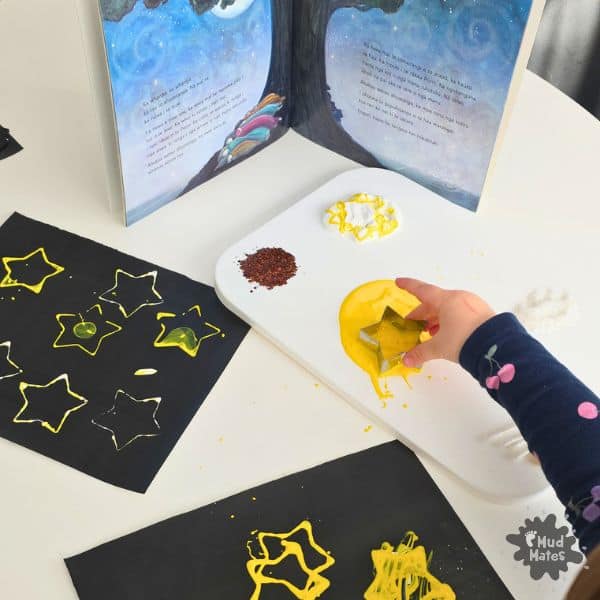
This Matariki star stamping craft is about as simple as it gets. You dip a star-shaped cookie cutter in paint, press it onto dark card, and lift. That’s it. But the result looks incredible – bright stars against a dark sky, just like the Matariki cluster appearing in the pre-dawn winter sky.
It works for all ages, from toddlers to older kids, and it’s a great one to do as a family.
What You’ll Need for this Matariki Star Craft
- Star-shaped cookie cutters (different sizes if you have them – more on why below)
- Dark card – black or navy works best to represent the night sky
- Washable paint in Matariki colours (see below)
- Shallow dishes or plates for the paint
- Newspaper or a fitted tablecloth to protect your surface
- A craft apron for little ones (paint on dark card means paint on clothes if you’re not careful!)
The Colours of Matariki – and What They Mean
This is what takes this craft from a simple stamping activity to something a bit more meaningful. Each colour in Māori tradition carries significance, and you can weave that into the activity as you go.
- White (Mā) – peace, spiritual protection, and the brightness of the guiding stars
- Red (Whero) – vitality and life force
- Blue (Kahurangi) – connection to the heavens and Tangaroa, the god of the sea
- Green (Kākāriki) – the land, fertility, and the growth of new things
- Black (Pango) – the night sky itself, and the potential of new beginnings
You don’t need all five – even just two or three colours looks stunning on dark card. Let kids choose their own or assign each child a colour and layer them together on one big piece of card.
How to Make Your Matariki Star Stamping Craft
Step 1: Pour a small amount of each paint colour into a shallow dish or onto a plate. Protect your surface with newspaper or a fitted tablecloth. Lay out your dark card. Pop craft aprons on little ones – washable paint is forgiving, but better to be safe than sorry!
Step 2: Dip the flat face of the cookie cutter into the paint, making sure it’s evenly coated but not dripping. Press it firmly down onto the card, hold for a second, then lift straight up. That’s your first star.
Step 3: Repeat with different colours and different sized cutters. Overlap stars, layer colours, fill the card or leave space – there’s no wrong way to do it. Smaller cookie cutters are great for filling gaps between the bigger stars.
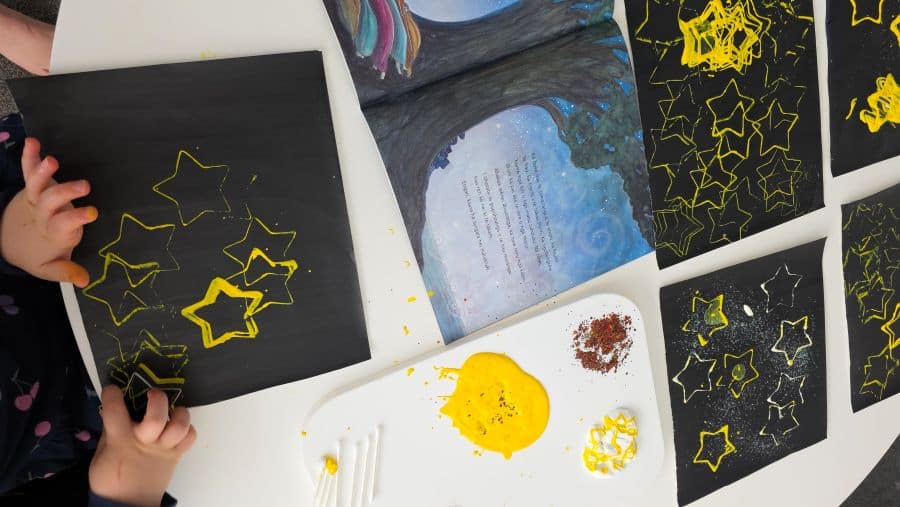
If you want to chat about Matariki as you go, this is a lovely moment to talk about the nine stars in the Matariki cluster and what each one represents. Each star has a name and a meaning – Matariki herself is connected to health and wellbeing, Pōhutukawa to those we’ve lost, Waitī and Waitā to fresh and salt water.
Step 4: Set the finished cards aside to dry completely before handling. The paint dries quickly but it’s worth waiting – especially if kids have been generous with the layers.
What to Do With Your Finished Matariki Star Stamping Art Work
- Frame them as Matariki decorations around the house
- Turn them into cards to send to whānau
- String them together as a garland
- Use them as gift wrap or gift tags
- Display them in a window where the light catches the paint
Tips for the Best Results
- The flatter the cookie cutter, the cleaner the print. Older, slightly bent cutters can give uneven edges – still looks great, just a bit more rustic.
- Don’t overload the paint or it will bleed under the edges. A light, even coat gives the crispest star shape.
- Let each colour dry slightly before stamping over the top if you want clean layering. If you stamp wet on wet, the colours will mix – which is also cool, just different.
- This is a great kindy or classroom activity too. Make a big collaborative piece on a long roll of dark paper with the whole group contributing stars.
About Matariki
Matariki marks the Māori New Year and is celebrated when the Matariki star cluster (known in Western astronomy as the Pleiades) reappears in the pre-dawn winter sky. In 2026, the official public holiday falls on Friday 10 July.
It’s a time for three things: remembering loved ones who have passed, celebrating the present moment with whānau, and looking ahead to the year to come. For families with tamariki, it’s also a beautiful invitation to slow down, make something together, and talk about what matters.
Love messy crafts but not the washing?
Our Craft Aprons are made for exactly this kind of play.
Pop one on before you get started and clothes stay clean underneath – no soaking, no scrubbing, just straight in the washing machine if needed.
Looking for more Matariki craft ideas? Take a look at our Matariki collection for more activities to do with tamariki this Matariki season.
For more screen-free activity ideas and messy play inspiration, join our community here.
YOU MIGHT ALSO LIKE...
Matariki Star Stamping Craft
Matariki is one of my favourite times of year to get creative with kids. It’s [...]
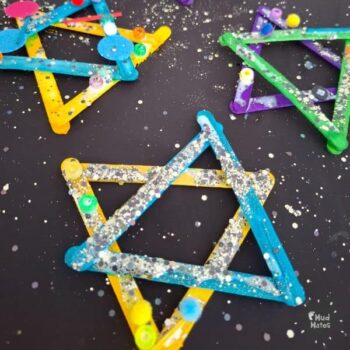
Matariki Ice Block Stick Stars
Looking for a creative and meaningful way to celebrate Matariki with your little ones? These [...]
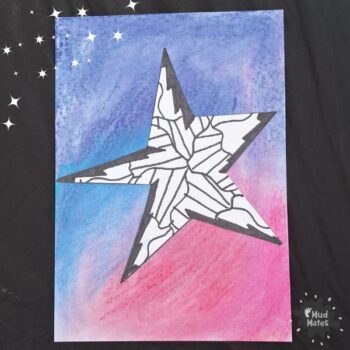
Matariki Star Pattern Art
We love this Matariki star pattern art and drawing activity which can be enjoyed by [...]
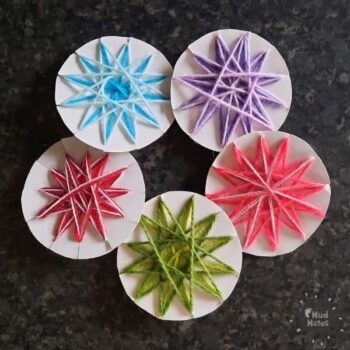
How to Weave a Matariki Star
Our Matariki star art weaving activity is super cute, if we do say so ourselves! [...]
1 Comment
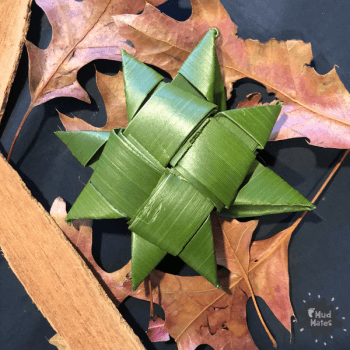
Matariki Activities for the Whole Family
Participating in Matariki activities with your family and friends is a beautiful way to celebrate [...]
2 Comments
How to Make Tissue Paper Matariki Stars
During mid-winter, the Matariki stars appear. Also known as the Pleiades, these are a cluster [...]
4 Comments